Free Online Color Toolbox · No Sign-Up Required
Color Explorer | RGB Color Chart | Color Schemes
An all-in-one color exploration platform: look up the standard RGB color chart and HEX color codes, get professional color schemes, explore classic color cards such as Chinese traditional colors and Morandi colors, and use online color tools for picking colors, generating gradients, checking contrast, and more.
Color Codes · RGB Color Chart
Commonly used color codes organized by 11 major color families. Each color card lets you copy its HEX and RGB values with one click.
Color Schemes · Color Explorer
Professional color combinations categorized by season, mood, color temperature, and design style. Click a tag to view the matching palette.
Emotion
Color Temperature
Classic Color Cards
From Chinese traditional colors to Morandi colors, explore color systems with cultural and artistic roots.

Chinese Traditional Colors
Chinese traditional colors revolve around the "five colors" of blue, red, yellow, white and black, interwoven with the culture of the Five Elements and the five directions. Their poetic names carry rich symbolism and were used across every aspect of traditional life.

Japanese Traditional Colors
Japanese traditional colors are mostly drawn from nature — cherry blossoms, maple leaves, moss and the sea. Their soft, elegant tones and poetic names embody the aesthetics of mono no aware, and they appear in kimonos, ukiyo-e prints and gardens, reflecting a refined sensitivity to nature and detail.
Plant Colors
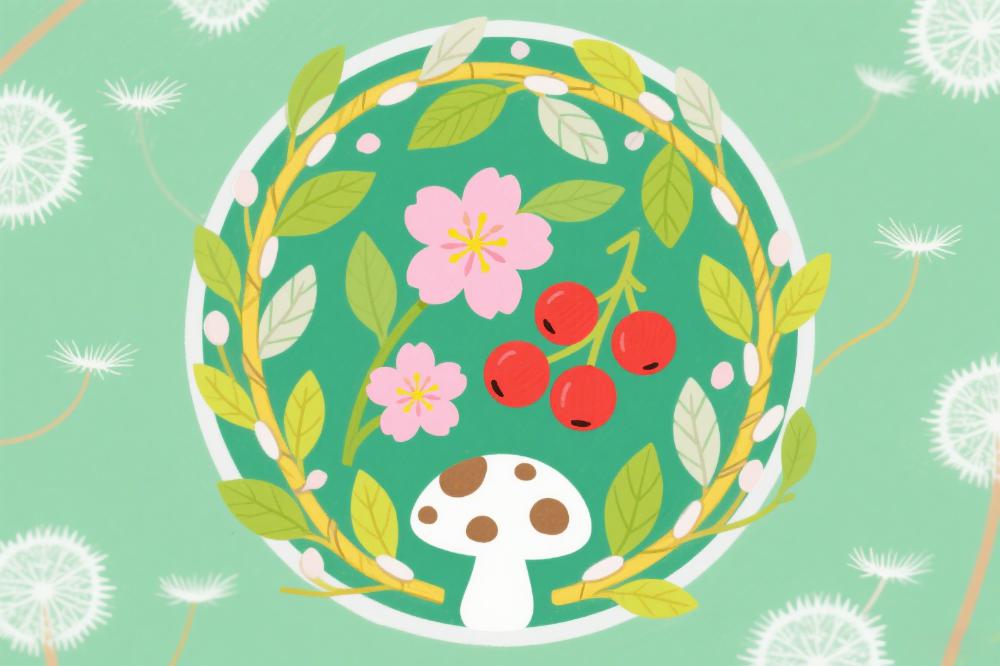
Inspired by the natural forms of plants, plant colors range from leaf green, pollen yellow and fruit orange to moss teal and vine brown. Fresh and soft or vivid and bright, they bring a natural vitality to fashion, home décor and design, conveying a comfortable sense of closeness to nature.

Mineral Colors
Extracted from natural minerals, mineral colors include azurite blue, malachite green, ochre, cinnabar and realgar. Deeply saturated or calm and warm, they carry a primitive, time-honored quality and are widely used in traditional painting, ceramics and jewelry design — a classic system uniting natural minerals with human craftsmanship.

Astronomical Colors
Inspired by the sun, moon, stars and other celestial phenomena, astronomical colors include clear-sky blue, sunset red and night-sky black. Bright or profound, they are often used in design to convey the romance and grandeur of the heavens.
Rembrandt Colors
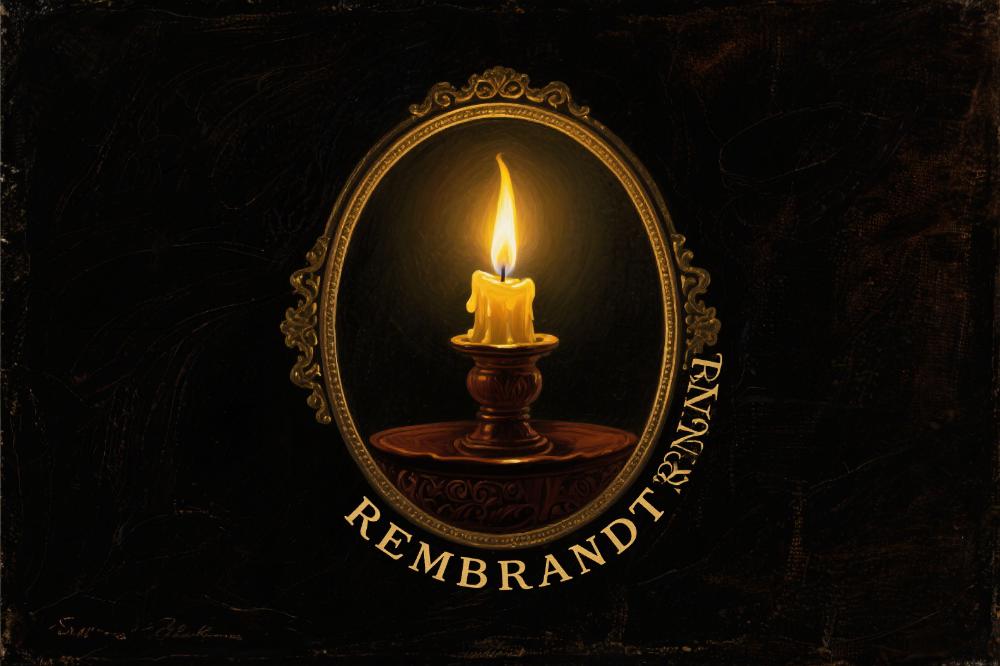
Named after the painter Rembrandt, this palette is dominated by somber tones such as deep brown, ochre and dark gold. Its masterful use of chiaroscuro gives it a heavy, vintage atmosphere, often used in painting and retro design to highlight elegant texture.
Baroque Art Colors
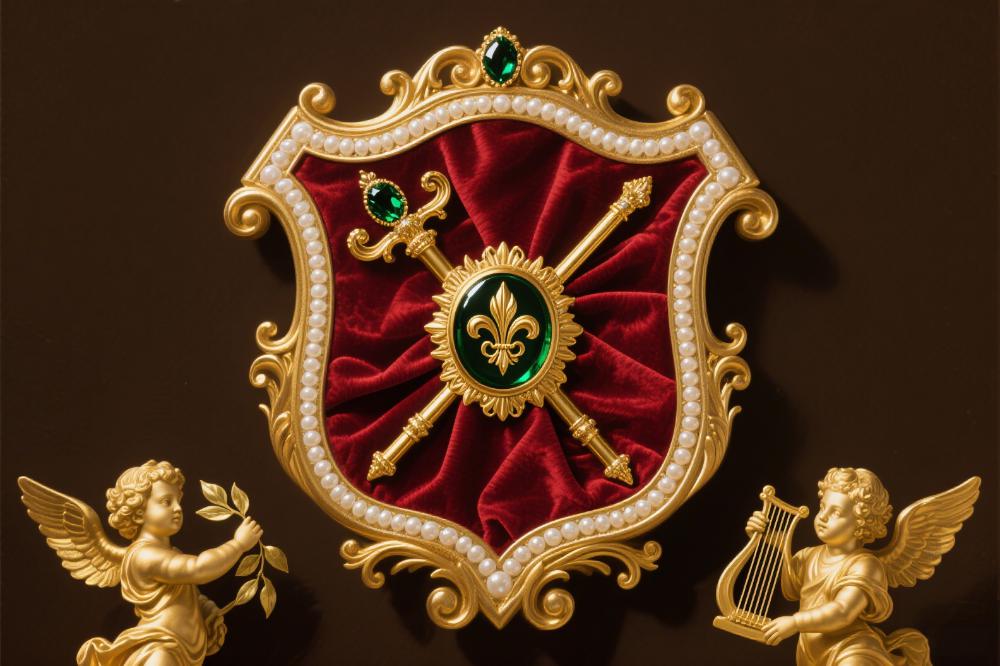
Baroque art colors are rich and saturated, including gold, red and sapphire. Opulent, passionate and dynamic, they are often used in art and decoration to convey a sense of luxury and tension.
Morandi Colors
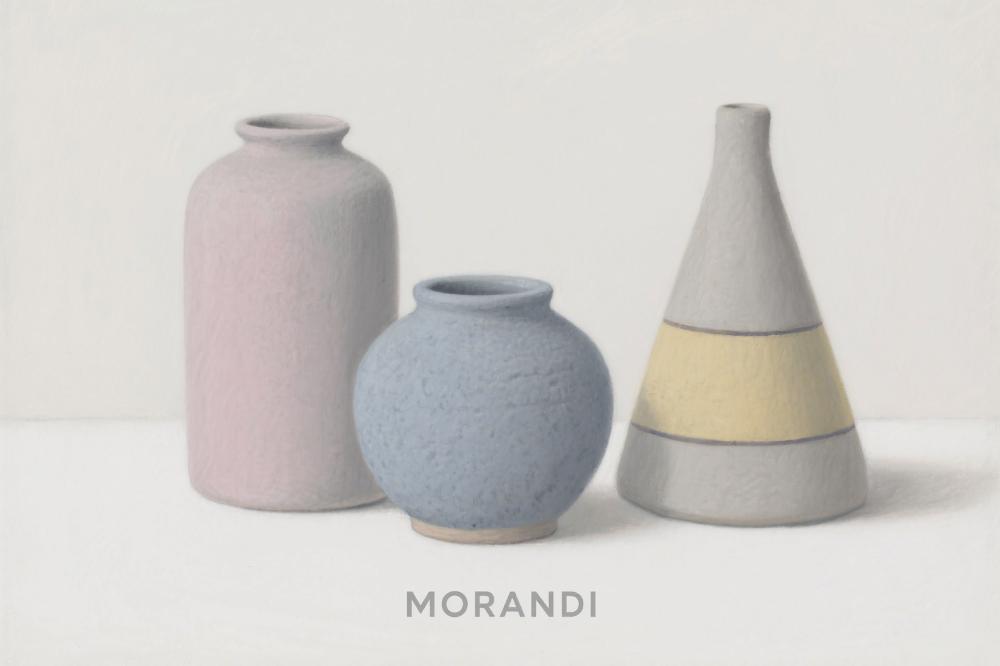
Morandi colors are dominated by low-saturation tones such as gray-pink, soft blue and pale yellow. Gentle and refined, they create a serene, quiet texture and are widely used in design.

Hayao Miyazaki Colors
Hayao Miyazaki colors are largely drawn from natural imagery — clear-sky blue, grass green and warm yellow. Bright yet soft and soothing, they are often used in animation and design to convey a fresh, lively atmosphere.
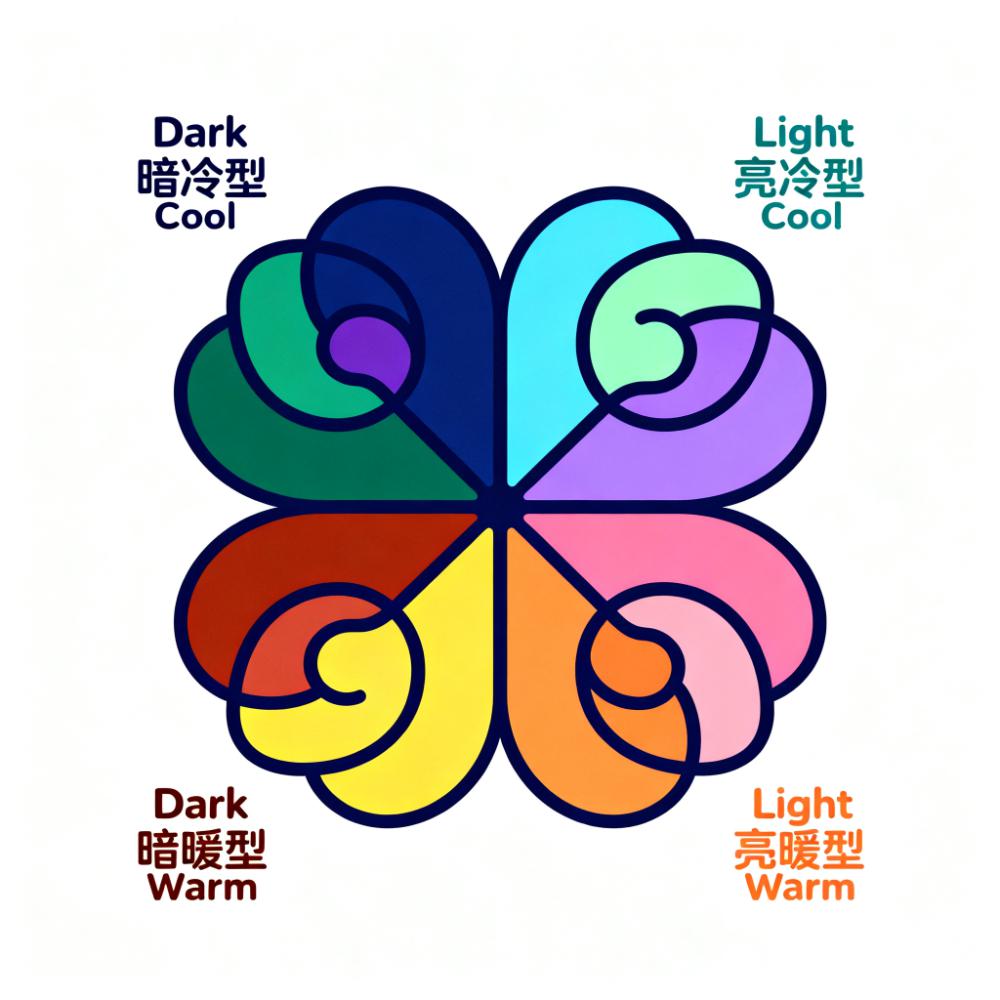
Itten Subjective Colors
In his book The Art of Color, Johannes Itten classified people's subjective preferences into four types — dark cool, light cool, dark warm and light warm — each corresponding to a distinct color gamut.
Online Color Tools
Essential design tools such as color wheel matching, color conversion, image color picking, and gradient generation.

Color Wheel
A digital, interactive color tool built on color-wheel principles

Color Converter
Convert between RGB, Hex, HSL, HSV and CMYK

Image Color Picker
Upload an image and extract the colors from it

Color Mixer
Mix colors together

Gradient Generator
Create CSS gradients visually

Color Scheme Picker
A free, professional online color scheme tool

Screen Color Picker
Pick any color on your screen with one click

WCAG Contrast Checker
Online accessibility contrast checker

Munsell Color System
An interactive Munsell color system tool
About Color Explorer
Color Explorer is a free online color platform for designers, developers, and color enthusiasts. It collects the standard HEX and RGB color codes of 1300+ common colors and offers online tools and color content that cover the entire color-matching workflow. Whether you want to look up a single color value, find a set of color combinations, or systematically learn about color, you can do it all in one place.
A Complete RGB Color Chart
The Color Codes section organizes commonly used colors into the 11 major color families of red, orange, yellow, green, cyan, blue, purple, pink, brown, gray, and black-and-white. Each family has its own category page and detailed introduction, and every color has a dedicated detail page featuring HEX, RGB, HSL, HSV, and CMYK parameter conversions, complementary and analogous color schemes, WCAG accessibility contrast, shade variants, and an introduction to color psychology. Each page also notes which color cards and families the color belongs to, making it easy to explore sideways.
Professional Color Schemes Categorized by Dimension
The Color Schemes section organizes tried-and-tested color combinations along four dimensions: season, mood, color temperature, and design style — the freshness of spring palettes, the softness of Morandi colors, the warmth of warm tones, the nostalgia of retro style, and more. Every palette is labeled with HEX and RGB color codes that you can copy with a single click, taking color matching straight from inspiration to execution.
Classic Color Cards with Cultural Roots
The Classic Color Cards section brings together 10 color systems: Chinese traditional colors, Japanese traditional colors, plant colors, mineral colors, astronomical colors, Rembrandt colors, Baroque art colors, Morandi colors, Miyazaki colors, and Itten subjective colors. Some come from the aesthetic heritage of a thousand years of culture, others from master paintings and natural scenery. Each set can be browsed by main color category and by scenario, making it excellent material for drawing color inspiration and understanding color culture.
Online Color Tools Covering the Whole Workflow
The Tools section offers online tools such as color wheel matching, color conversion, image color picking, a color palette, a gradient generator, color scheme selection, screen color picking, WCAG contrast checking, and the Munsell color system. They cover the complete workflow from picking and mixing colors to matching and accessibility verification, and all of them are free to use with no sign-up required.
Frequently Asked Questions (FAQ)
What is the difference between HEX and RGB color codes?
They describe the same color, just written differently. A HEX code looks like #FF5733: it uses six hexadecimal characters, is compact to write, and is the most widely used format in web CSS and design software. An RGB code looks like rgb(255, 87, 51): it uses three values from 0 to 255 to describe the intensity of the red, green, and blue channels, which is better suited to programmatic calculations. Every color on this site provides both codes, ready to copy with one click.
How can I quickly find the color code I want?
You can browse the RGB color chart by the 11 color families, or jump straight to a color using the popular colors quick list. If you already know the value, simply visit /color-lib/value (for example, /color-lib/FF0000) to open the color detail page and see all of that color’s parameters and color schemes.
How are the color schemes categorized?
Color schemes are organized along four dimensions: season (spring, summer, autumn, winter), mood (passionate and energetic, calm and serene, and so on), color temperature (warm, cool, neutral), and design style (retro, minimalist, Morandi, Chinese style, cyberpunk, and more). The same palette may belong to several dimensions at once, so you can filter across them to find the most suitable color combination.
Which color systems are included in the classic color cards?
There are currently 10 sets: Chinese Traditional Colors, Japanese Traditional Colors, Plant Colors, Mineral Colors, Astronomical Colors, Rembrandt Colors, Baroque Art Colors, Morandi Colors, Miyazaki Colors, and Itten Subjective Colors. Each color card can be browsed by main color category and by scenario, and the color detail page notes which color cards include that color.
Are all the color tools on the site free?
They are all free and require no sign-up. Tools such as the color wheel, color conversion, image color picking, color palette, gradient generator, screen color picker, and WCAG contrast checker all run locally in your browser, and the processes of picking, mixing, and converting colors never upload your images or data.
What is WCAG contrast, and why does it matter?
WCAG stands for the Web Content Accessibility Guidelines. Its contrast standard requires body text and its background to reach a contrast ratio of at least 4.5:1 (Level AA) so that users with weaker eyesight can read it clearly. On color detail pages and in the WCAG contrast checker, you can directly see the contrast ratio between any color and common backgrounds, along with whether it meets the standard.
Is there a universal rule for color matching?
The most commonly used one is the 60-30-10 rule: the main color takes up about 60% of the composition, the secondary color 30%, and the accent color 10%. Building on that, you can start by choosing a palette with a consistent direction from the Color Schemes section, then fine-tune it with the color wheel and gradient generator — far more efficient than trial and error from scratch.
Will the color chart keep being updated?
Yes. The color code library, color schemes, and classic color cards will keep being expanded based on design trends and user feedback. If you would like a particular color, color card, or feature to be added, feel free to let us know through the page feedback channel.
Start Exploring Colors Now
Look up a value in the RGB color chart, find a combination in the color schemes, and draw inspiration from the classic color cards.